Kvinnelige prester. Dialogen · Del 40
Vicentia Kgabe was sixteen when she knew, and had never seen a woman priest. Today she ordains them herself as Bishop of Pretoria, and says the church only acts on what God has already done.
Av Maria Solbak Årnes · Video conversation and written answers, Vicentia Kgabe, Bishop of Pretoria, Anglican Church of Southern Africa · 14 September 2026
Bishop for life
MARIATell me who you are and where you serve.
My name is Vicentia. I am an Anglican bishop in the Anglican Church of Southern Africa. I am South African born, home is Soweto.
And that's where I've done my schooling, and served there in Johannesburg for fifteen years, before I was appointed as the rector and principal of a theological college based in the Eastern Cape here in South Africa. It is the only residential theological college for the Anglican Church in Southern Africa.
And then I was elected to be the bishop of Lesotho, the mountain kingdom of Lesotho. I was the first woman to be in Lesotho. And I was there until December 2025, because in September of 2025 I was again elected to be the bishop of Pretoria. So that is called a translation. I left Lesotho and came back home to South Africa, in Pretoria.
MARIABut you can only be elected for so many years, in one place?
No, for us, you are a bishop for life.
That's, I think, an interesting part for many people to realise. We can be bishop for life, not for a term. And so what happened to me, translation, it happens very rarely. It's [not] an everyday occurrence.
And I was the first woman in Southern Africa to be translated, moved from one diocese to the next.
For us, you are a bishop for life.
MARIABut why did you change?
Well, we have something that we call canonical obedience. That when the church has spoken, and we have prayed and discerned that it is right, that you take your skills, your know-how, and go and assist somewhere else, that you do so.
So as tough as it was to leave the kingdom of Lesotho, I remember that I took vows to go wherever the church sends me.
Fakta
Vicentia Kgabe. Born in Soweto. Ordained deacon in 2002 and priest in 2003 in the Anglican Church of Southern Africa. Doctorate in practical theology from the University of Pretoria in 2011. Appointed rector of the College of the Transfiguration, the Anglican Church of Southern Africa's residential theological college in Makhanda in the Eastern Cape, in 2014. Elected bishop of Lesotho in 2021 and consecrated in December that year, the sixth woman bishop in Africa at the time. Elected bishop of Pretoria by the Electoral College of Bishops in September 2025, and enthroned at St Alban's Cathedral in Pretoria on 13 December 2025 as the twelfth bishop of that diocese. Sources: Anglican Ink, 2021, Anglican Ink, 2025, Wikipedia.
A country inside a country
MARIAWhat is the difference between the two?
It's a huge difference, though I'm still the bishop in the Anglican Church of Southern Africa.
Remember, Lesotho is a kingdom surrounded by South Africa. A country within a country. And so as much as the borders, five borders, all of them take you into South Africa, they have different ways of doing things. It's a constitutional monarchy. So they have a different way of doing things and leading.
And then you have South Africa, this huge country that has its own joys and challenges. And coming to Pretoria was different, because Pretoria is the administrative capital of South Africa. And to be a bishop in such a space carries a different application and interpretation of things.
Young, black, and not married
MARIAWas it any different being a woman in these two places?
Yes, it's always different. And it started from my ordination as a priest. One thing that I was aware of, and was celebrating, was being a woman.
And it was not just gender, it was also race, it was also age. Because I was aware that I was young, and I still consider myself young, and that I was a black woman in this.
So when I went to be the head of a theological college, those three things, I was aware that people might have issues with them. She's young, she's black, and it could be again, she's not married. So how do we deal with her?
She's young, she's black, and it could be again, she's not married.
MARIAHow young were you?
I think I was thirty-five, thirty-six. Yes, for that position.
And remember, it's going back to a place where I studied theology and was a student there. Now I come differently, as the head of the institution.
And going to Lesotho, I was very much aware that my marital status could be an issue. Because people were going to look at your qualification, they can look at your experience, then they might come up and say, but she's not married. So how are we going to deal with an unmarried woman?
So in all these spaces, I will look at what the context might say, this is what they will use against me. And I embrace it and I accept it. This is who I am.
So coming back to South Africa, the issue of being single, I knew it wouldn't be an issue. This is my home country, things are different. And at the moment I haven't heard what issue it is, because South Africa is such a cosmopolitan country, vibrant. Pretoria is a multinational city because of who resides and works in this space.
So yes, I've been very much aware of my gender with every appointment.
MARIAHave you had any negative experiences?
I haven't had someone coming to me and saying, I have a problem that you're young, black, single. I'm sure those conversations are happening somewhere, but they haven't been brought to my attention.
And those are the things that are either choice, or they are by birth. So it can be difficult to want to change some approach so that you fit in, when it is inherent to who you are.
MARIAI had thought it was a good thing not to be married when you are a priest, and maybe also a bishop, but that that was only for men.
I think in the Roman Catholic tradition it's a requirement that you're not married. In the Anglican tradition, though we have that Roman Catholic inheritance in our church, people frown at it. So if you're not married, that means you want to be a nun. You want to be a religious person. But that's not where my call is.
And I think this is a vocation that chose me, that I didn't choose. And God knows what God is doing, allowing me to lead.
This is a vocation that chose me, that I didn't choose.
The grandmother who took her
MARIAWhat was your upbringing? Were your parents outspoken believers, or did you find your own way?
I used to go to church with my maternal grandmother.
My parents then, I don't remember they were really serious churchgoers. Maybe they had faith, but I don't remember sitting with them and talking faith issues with them. But my grandmother, I remember that very well, because she's the one who used to take me to church and encouraged me to participate in the church.
So I became an altar server. I was part of the young people's group.
So, as any child, we'll do all the things that we do and play around. And when it's time to go to church, everything stops. I need to go to church. As far as I could remember, church was a priority for me.
Sixteen
MARIAHow long had you been thinking about becoming a priest?
The timelines for me are as early as from sixteen years old. Then, when I was sixteen, I knew that I wanted to do this.
I love this. I didn't love it for other people, I loved it for myself. I wanted to be part of this.
And I think at that time I didn't have the vocabulary to say to people, it is a calling, it is a vocation. I just said, I want to do this. I want to be a priest.
I didn't love it for other people, I loved it for myself.
MARIADid the calling come in a special moment, or did it grow over time?
It grew over time. I describe it as a feeling.
It was a feeling. But it was one of those feelings that didn't disturb me. It was one of those things that I enjoyed. Interesting, but I wasn't sure it would go anywhere. I really was not expecting much to come out of that. I just felt like it was something I needed to share.
Around that time I knew that when I finished High School, in my head, I wanted to go and do law. So I didn't really have huge expectations that this would happen, until the church made me go through the processes of this.
Where have you seen a woman priest
MARIAWhen did you first see a woman in ministry?
I grew up in the Anglican church. And for my time, until I think either late 1992 or somewhere in 93, that's when I first saw a woman in the church. All along I had never seen women in the church.
And so even when I was still wrestling with my calling, there was no woman that I would see and say, maybe this is what I want to do. And that's when people were saying to me, including my family, wherever have you seen a woman priest? Where did you take this thing from?
And that's why I come to a point that I didn't choose this. God chose it for me.
Wherever have you seen a woman priest? Where did you take this thing from?
MARIADid you ever get any reasoning for that?
I think the first response that came was that there are no other women. Where have you seen this? Can you locate it for us? Help us to understand it.
And others would say, but focus on your studies. You're too young. You know, leave this priest thing and focus on it.
What I heard was them not encouraging me. I heard them trying to derail me and push me to something else. And for that period, when I was told focus on your studies, you're too young, I tried to shut it down. I kind of like, okay, then I will do my studies. That's why I said law was where I was going. I didn't think this would work out, if the people who are supposed to support me are not supporting me.
The prerogative of ordination
MARIANow you are the one who ordains. How is that?
Well, I think the rights and privileges of a bishop in the Anglican Church of Southern Africa, or in the Anglican Church as a whole, is to ordain priests.
It's such a joyful moment. And it's sacred, because you're doing things that we know have been carried from the Hebrew tradition of anointing and setting apart men and women for ministry to lead congregations.
One, I don't take it lightly. Two, I don't just ordain anyone.
MARIAThat was my next question.
It's a process, because you have, not by yourself as a bishop, though ultimately the bishop can decide. We say the prerogative of ordination lies with the bishop. But I've got a team that helps me to discern.
And we always say we are not looking for a perfect person to be ordained. We're looking at someone with a potential, and God will do the rest.
We are not looking for a perfect person. We're looking at someone with a potential.
MARIAWhat criteria are considered?
For us in the Anglican Church, for you to be ordained, for a deacon you should be age twenty-three, and for a priest age twenty-four. Then you will have an undergraduate degree or diploma in theology, or a postgraduate degree in theology.
You should be active in your church already. We don't want to ordain someone who even their parish doesn't know.
We have a process that is a two-year process, called Fellowship of Vocation, where a group of people come and we help them to discern the call, to figure out, is this what God has called them to? And when they fulfil those requirements, then their names will be brought forward for recommendation for ordination.
MARIAThat must be hard, to tell those who have a true calling from those who just want it.
Yes, and it's not clear for all of us who is the right candidate. This is where we will say we pray about it, but you go with your gut feeling.
And at times the gut feeling, others might say it has been wrong, but for me in most instances it has been right. And I trust what I feel, what I believe God is saying to me.
MARIAWhat happens when you say no?
It's tough. It's devastating, because for others a no, they might think that the church is rejecting them.
And that's why a no should not just come as a no. It has to come with a qualification of a no. We say no at the moment, because one, two, three has to be done. We say no because we have asked you to fix one, two, three and you didn't.
And we could say no because if you come at the age of sixty and you want to be ordained, you won't have long to serve when you start things at the beginning, because sixty-five is the age of retirement. So you look at those things that have to really be based on facts and not just feelings.
A no should not just come as a no. It has to come with a qualification of a no.
MARIAHave you ever had a woman who was certain she had a calling, and still had to hear no?
For those who have come through, there hasn't been a woman. I was the director of this process when I was in Johannesburg, so I had to prepare people from the beginning until the end. I do not remember a woman, and there were a few, who was said no to.
And now as the bishop, I have never had a woman recommended for ordination and I said no. No, I don't have that.
A text that makes me angry
MARIAWhat is the Bible to you? Is it word for word the word of God?
For me, the Bible, one, it's a sacred text. In it, it contains the experiences that people have had with God, and there are things that we can learn and apply into our lives.
There are stories that are inspirational in the Bible. There are stories that make me angry in the Bible. There are stories that I question the validity of, that are in the Bible, and that doesn't disturb my relationship with God. I think it helps me to be more connected to God, asking, how is it possible? Why? Oh, this is wonderful. So that is my relationship with the Bible.
You ask if I take it word for word. Not everything in the Bible I take word for word. Some, I understand that it is a record of happenings, or interactions of people one to one, of a community with God.
There are stories that make me angry in the Bible.
MARIADo you think the Holy Spirit guided those who wrote the texts?
I believe it's Spirit-inspired. Holy Spirit-inspired. Even with the things that I do not want to agree with, that I don't like, I look, what are the learnings for me? What do I take from this?
MARIAHow do you protect yourself from reading it wrong?
By being aware when I put my own issues into it.
But again, by asking questions. And I think asking questions is, if this was said, what was happening around that time? Or what was the context of people of that time? What can I learn from that context?
I'm sure if you want to learn about South Africa, you can't just read about South Africa. You want to know, what is the context for this thing to happen? Why do South Africans do things this way? So that, for me, I think, why would the Hebrew or the Greek or the Jews or anyone else do things like this? What was the context for that? And, as I said, not bring my own likes or dislikes into it.
And that's why reading the Bible is not a once-off occasion. It's continuous, because I think we learn to discern what God is saying to us, and what God is doing in our lives.
By being aware when I put my own issues into it.
Saul who became Paul
I said that the letters of Paul are the counter-argument I hear most often, and that I had not heard any other. I named First Timothy 2 and First Corinthians 11, and said that in both, read on their own, the reason given is the creation.
Tekstene det gjelder
1 Timoteus 2,11-14 (MANTELEN NT)
En kvinne skal lære i stillhet med all underordning. Men jeg tillater ikke en kvinne å undervise eller å utøve myndighet over en mann, men å være i stillhet. For Adam ble formet først, deretter Eva. Og Adam ble ikke bedratt, men kvinnen ble bedratt og er kommet i overtredelse.
1 Korinter 11,3 (MANTELEN NT)
Men jeg vil at dere skal vite at Kristus er enhver manns hode, og mannen er kvinnens hode, og Gud er Kristi hode.
I think for me, one, we have to ask, who is Paul? Look at the background of Paul.
Paul, before he became Paul, was Saul, who was a very radical person in his interpretation and understanding of the laws. And he was an enforcer of the law. And there was no Christianity in that. It was the culture that he grew up in and what he knew, whether being taught, or whether he was assimilating from seeing others doing things.
God takes this problematic man and changes his life, to the point of changing his identity and the name. But that didn't stop Paul acting like Saul. He didn't change his understanding of his culture and his background, and of interpreting the Hebrew text.
So he comes into a context where worship is different. He comes to a context where Christ has been experienced by people, and Christ has liberated everyone to be participants in the places of worship and interactions. Paul experienced women in the church having leadership and authority, because Christ enabled it.
God takes this problematic man and changes his life. But that didn't stop Paul acting like Saul.
MARIADo you have an example of women in leadership? That is hard to find.
But you read about Dorcas, also known as Tabitha. You read about Mary Magdalene, and Mary, the mother of Jesus.
MARIAThey all speak about Christ and tell the story, and people are changed because of them. But I don't think they have the leader hat on, do they?
But that's why I'm coming to this. Why don't they have a leader hat, when they are [ministering in] leadership?
So the next part for me is: as we're doing now, we're having this conversation, but when someone reads it, they are going to read it with the context where they find themselves. You're going to write it in the context of you trying to get to learn more about this. So your context and your culture is not separate from who you are as you write.
And that's the same with whoever documented the books that Paul had written. Put it in a context where even women were financially supportive of Jesus' ministry, where women were working along with Jesus as part of the disciples.
And that's why we go back to Mary Magdalene and the garden, and the garden means the grave of Jesus Christ. She was a disciple. And Jesus didn't say, I can't entrust you with this important message of telling people that I've resurrected. Jesus saw a disciple and said, go and tell. Go to my brothers. Go to everyone and tell them that I have resurrected.
So Paul gets into these already established churches, because these are congregations, and doesn't like what he sees, because that's not what he's used to. And he uses his culture, from how he knows things are done, in this new community that he's part of. And I read it like that, that there's tension.
Paul gets into these already established churches and doesn't like what he sees.
MARIASo you don't think the Holy Spirit protected him from such mistakes?
I don't think really the Holy Spirit will interrupt you when you do things that the Holy Spirit will correct.
The interesting thing is, Paul would have said that, and I'm sure the company of heaven was listening and looking at that, but that didn't stop God, nor the Trinitarian, from continuing to empower women to do ministry and work.
So from then until now, when we are being ordained, we invite the presence of the Holy Spirit to empower us for this service that we're getting into. The Holy Spirit doesn't say, Paul said you should not preach, I can't do that. No. So we are empowered.
So even when I preach and I say things that someone who's not in my context does not understand, that doesn't stop me from telling the people in my context who understand it and can do things.
So I see Paul as a person who comes much later in the game of Christianity, when Christ has done the work, when the disciples have done the work, and he wants to correct what they have done.
Paul comes much later in the game, when Christ has done the work.
MARIAWhy do you think it ended up in the Bible?
Because for us to understand Corinth, for us to understand his relationship with Timothy. And remember, when he writes to Timothy, he talks about the two women who have strengthened Timothy's faith. He doesn't reject them.
So his favourite follower and disciple, Timothy, has been brought to faith by women. He brings that up because it's an affirmation.
So someone might say, why are there contradictions in Paul's writing?
Tekstene det gjelder
2 Timoteus 1,5 (MANTELEN NT)
idet jeg blir minnet om den oppriktige troen som er i deg, den som først bodde i din bestemor Lois og din mor Eunike, og jeg er overbevist om at den også er i deg.
His favourite disciple, Timothy, has been brought to faith by women.
Until the church made rules
MARIAMost people agree that women and men are equal before God, and that women may speak and preach. Where people disagree is whether a woman should be ordained, and lead. That is where I find the disagreement.
And people will not agree, because they will bring their own preferences, one. Two, they will bring their context, where they grew up, and how things are done. Three, they'll bring their cultural experience and viewpoint.
Most of our cultures and our traditions have women as matriarchs, have women bringing us to faith, in care of us, leading. When you haven't been exposed to that, you will always speak from your own context, wanting to impose on others what they do.
When you read church history, you read of how women were in the forefront and leading the church, until the church made rules. The church wanted to diminish the role of women, but they didn't succeed that long, because God has empowered us to do ministry, so that we never went away. It's interesting, when you read church history, how women have been in leadership throughout the ages.
Women were leading the church, until the church made rules.
MARIADo you have examples?
I think we could talk about, is it Joan of Arc, St. Teresa of Avila, St. Catherine of Sienna, St. Therese of Lisieux and St. Hildegard of Bingen, who are called the doctors of the church?
And you have many women who are either saints or martyrs, who were told that they were leading that congregation, that community, and that's why the church has canonised some of them.
So when you read the stories of all those women, we talk about Monica, Saint Monica, the mother of Saint Augustine. It is through her persistence that Augustine came to faith. Now we recognise more Saint Augustine, and we forget the mother who brought this person to faith.
We read about the desert mothers, though we talk a lot about the desert fathers. The desert mothers too had to leave home, go somewhere secluded, to pray for God's people and to pray for the church. And they were leaders in communities, because people would go to them for discernment, for prayer, for guidance.
So I just say that you have to look at the women saints, and you get your answer from that.
What binds
MARIAIs there anything in the Bible you see as binding today that you would rather be without?
I don't know what it is that could be binding today that I'm not doing, unless you go to Jesus' greatest commandment. That love the Lord your God with all your heart, with all your mind and your soul, and likewise, love your neighbour as you love yourself. That is binding. The second part, of loving your neighbour as you love yourself.
And I think we have, again in the Bible, where we are commanded to pray for our enemies. Those are binding. But they're tough in everyday life.
MARIAHow do you distinguish what is binding from what is not?
I think for me, what's binding would be what is good for not just myself, but for the community, and have the community flourish.
And I think for me, Christianity is a community. And it's not just my community, everyone else who believes in God is part of that community.
And when I'm asked to do things, to care for the environment, not so that I'm the only one who benefits, but this community and the next generations will benefit. Those are, I think, the binding things. Being a good steward of what God has entrusted to me is not just for me, it's for community, so that all of us can flourish, and that those who come after us can be handed over something that is alive and flourishing and wonderful.
The church cannot stop me
I read her a passage from one of the men in this series. If anyone's interpretation of any given verse is as good as anyone else's, he wrote, then it will be impossible to resolve differences in interpretation. And if the church is the divine bride of Christ, then her interpretation of sacred scripture carries divine authority that we as individuals do not have.
The first part I want to agree with is that if all of us believe in the same thing and interpret it the same, then we're good to go. But that's not how we are created.
God has done wonderful things, including making us have independent thinking, so that we see the same thing, but we're not going to approach it the same. And that's why the church continues to be the church, that it grows, it fights amongst itself, it splits, because we have the independence of mind. We want to interpret things from our own perspective.
But ultimately, we want to do the same thing, to be obedient to God. But to get there, it's difficult.
MARIAWhat weighs the most, your personal interpretation or your church's?
I think for me, the church might have policies or rules that help me not to take scripture and do harm with it. But ultimately, I have to be responsible for what I do and what I say.
So if my interpretation of scripture, on behalf of the church as the bishop, is to divide people and cause wars, I have to be accountable. I can't put it on the church.
And so the church can have guardrails, but the church cannot stop me from being a fool. The church cannot stop me from doing good. Ultimately, I am responsible.
The church can have guardrails, but the church cannot stop me from being a fool.
The head and the neck
MARIAA dean in this series says that the man as the head of the household is definitely biblical, and she has no problem with Paul's words on submission. What is your view, and is there a submission that is good?
I think the best presentation of submission is that there's a mutual submission. It's not something that is demanded of one, and the other doesn't reciprocate it. It's levels.
And I think people in marriage have covenanted to be one. They have made vows that henceforth we're going to do things in this way, to be faithful to our family, to be faithful to God, who we believe has brought us together.
But we have stopped really using submission in the way it was meant to. We have turned it into domination now. That you want to dominate. And I think when you get to a place of dominating, it means that you are forcing something that is not supposed to be done that way. That is a resistance, and you keep on saying, you have to do this, you have to do this. And those marriages, or those relationships, are sad. They don't last long, because the beauty of what the Bible tells us about how submission has to happen has been turned into domination.
We have stopped using submission in the way it was meant to. We have turned it into domination.
MARIADo you think the husband should still be the head, the leader, not the boss?
One of the things that interests me is, I want to know, when it was said that a man is the head, what did they understand about the head? Do they look at our head, and what it contains? Or do they look at where the head is in proportion to the body?
Someone chose that figure of speech, to say, you are the head, looking at the head. Neurologists can tell us about how the head functions, whether it was a good thing to say a man is a head, or was it a bad thing to say a man is a head.
But now you know that there's no way the head can walk around the streets without the support of the neck, and the whole body. So even if a man is the head, we know, by how we are structured, that that head is useless without being connected to the body. And one thing that I know is that the head on its own cannot move without the neck allowing for that movement.
That head is useless without being connected to the body.
MARIAIt is Paul who writes it, and he compares the man as head of the woman with Christ as head of the church.
Yes. But Paul again goes and comes up with a good analogy of the body, that we're the body of Christ, that this head cannot do anything without this head knowing, and everything in us is interconnected.
So he says something, and he comes and says another thing, and we don't seek and analyse that. We don't say why he chose to single out the head, but then tells us that that head will not function without the body somewhere else. That the body is interconnected, and every part of the body needs another part to function well.
What could have changed her mind
MARIAIs there anything that could have changed your mind about the ordination of women?
I wish it could have come early. I wish that the church could have come to peace with themselves, to realise that God is the one who calls, not the church.
God calls us to ministry, the church doesn't call us to ministry. The church acts on what God has already done.
So the resistance that has happened, and that's still happening in other parts of the world, where women are not allowed, it is not God saying women should not be ordained. It's people in the church saying it.
The church acts on what God has already done.
MARIAIs there anything I haven't asked that you think should be in the article?
No, I will leave it to you. It has been interesting for me to think out loud.
Portrett
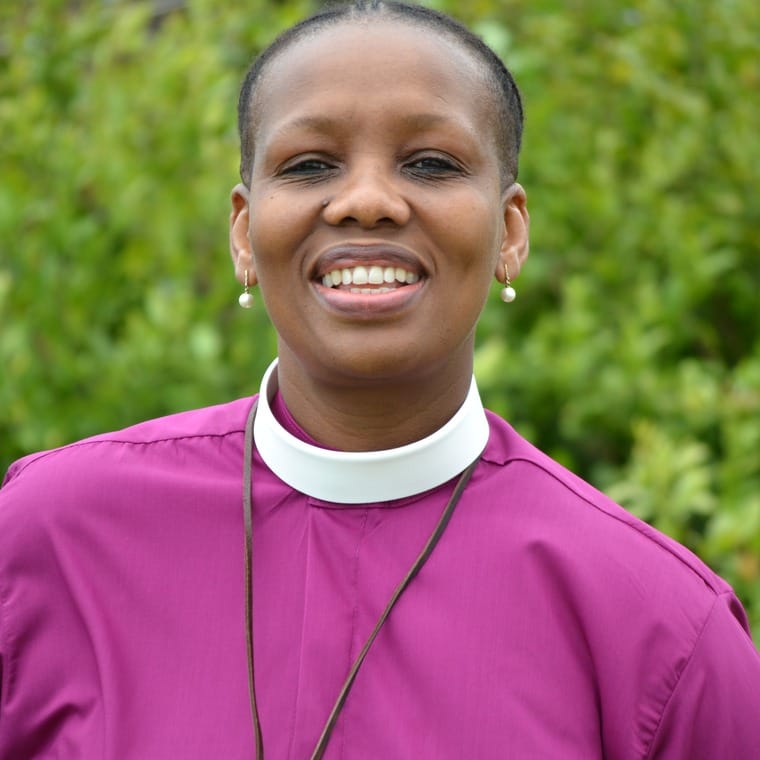
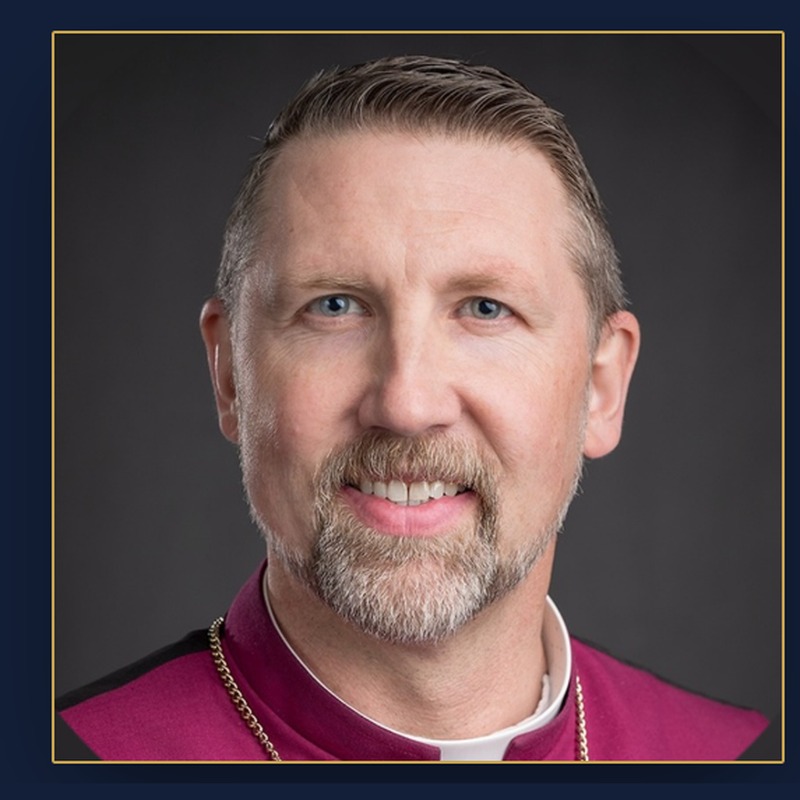
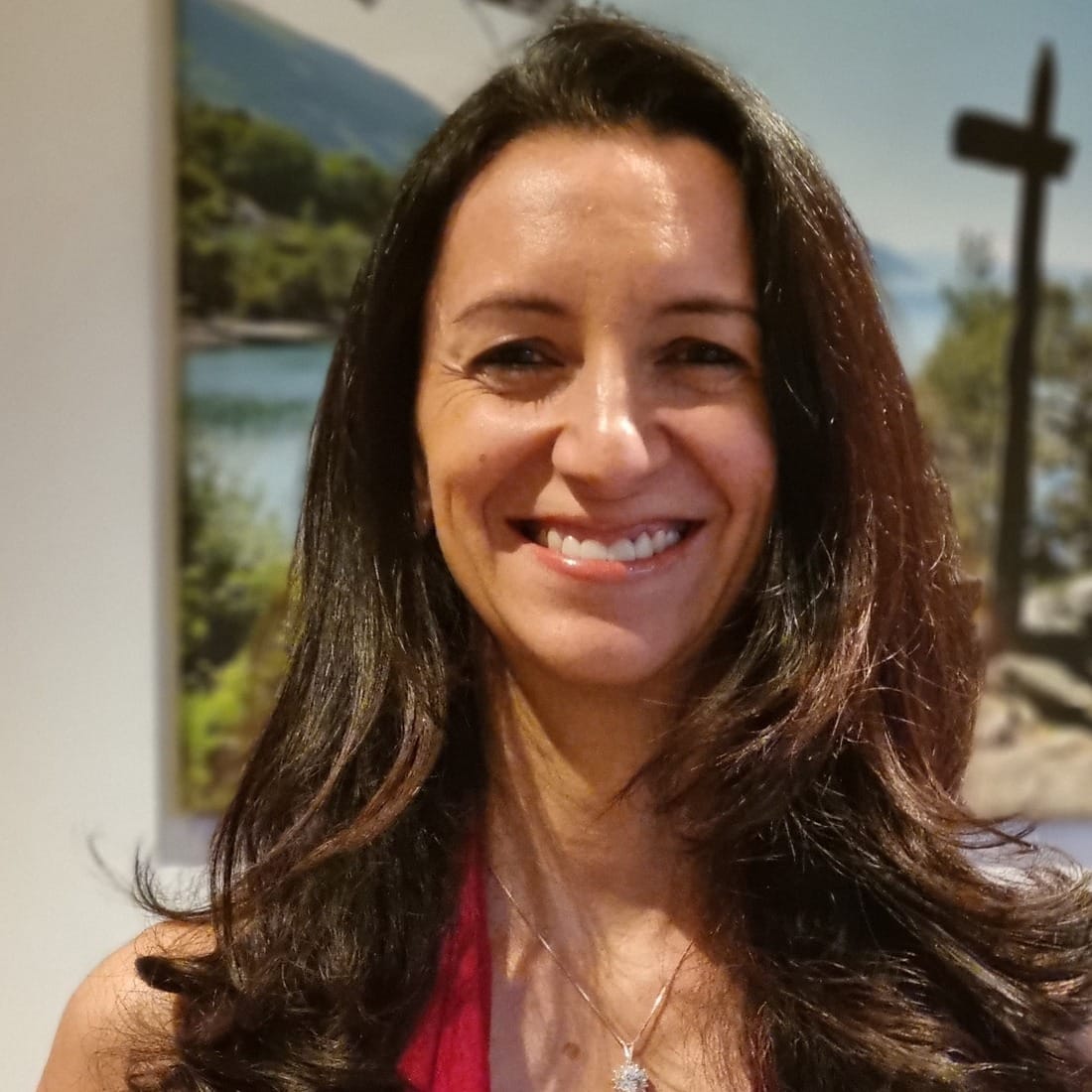
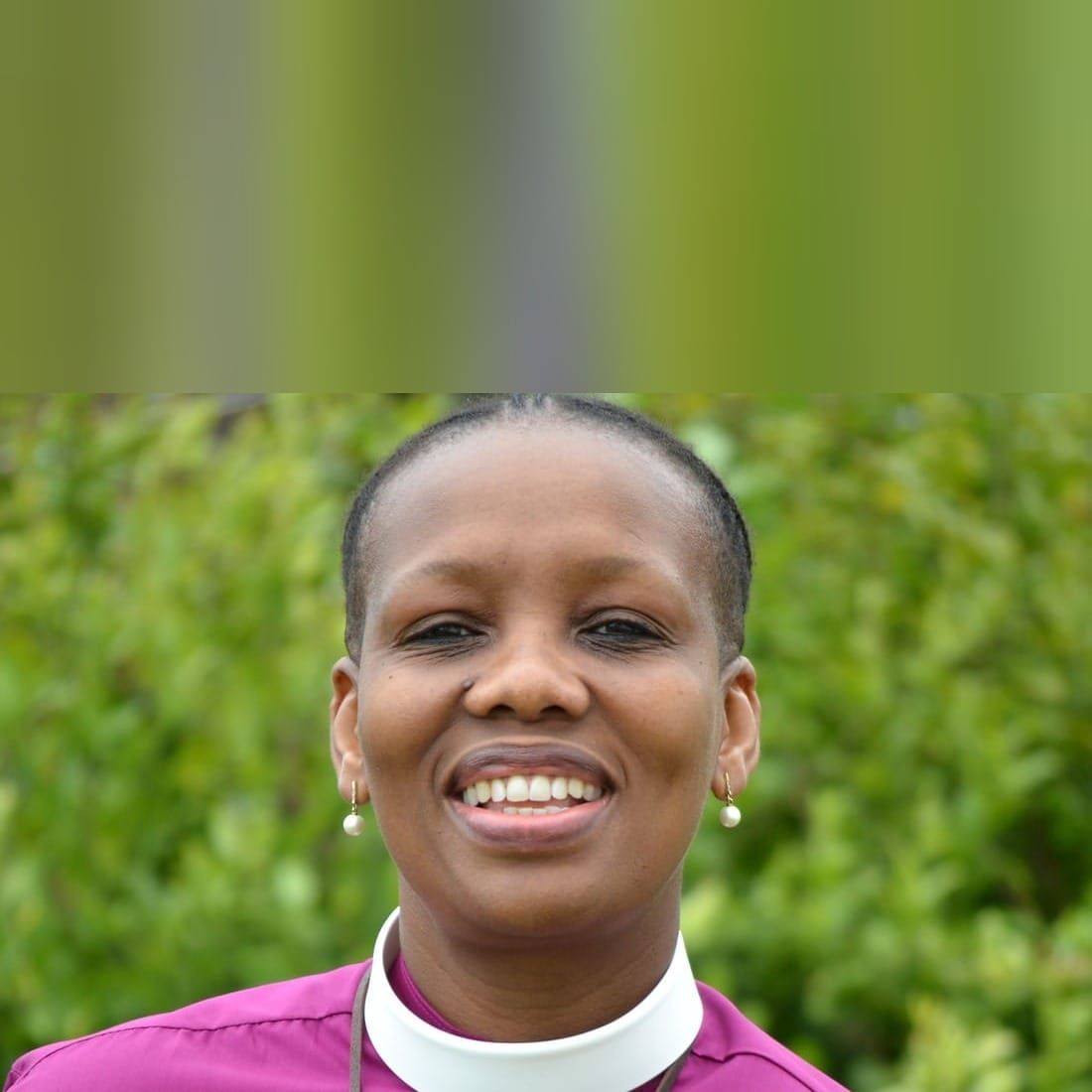
Vicentia Kgabe, Bishop of Pretoria. Foto: Privat.
Terskelen
Kgabe is the first bishop in this series, and the first source who ordains. That changes what the conversation is about. The others describe how they were received. She describes the gate: the age limits, the degree, the two-year Fellowship of Vocation, the team that discerns with her, and the no that must come with a reason attached.
Her reading of Paul is the sharpest in the series, and the one furthest from the text's own claim. She does not place First Timothy inside a situation. She places it inside a man. Saul became Paul, but kept the culture and the way of reading he was formed by, and arrives late at congregations where women already led, and does not like what he finds. Asked whether the Spirit would not have prevented that, she answers that the Spirit does not interrupt, and that God went on empowering women anyway.
Against that she sets what the same letters say elsewhere: Timothy was brought to faith by two women, and Paul says so himself. And on the head she does not argue from culture at all. She argues from anatomy, and from Paul's other image: the head cannot move without the neck, and the body is interconnected.
Two questions remain for the editor. If the apostle can be read as carrying his own culture into the text uncorrected, the same measure must be available for any passage a reader dislikes, and she has not said what stops it. And she says the church can have guardrails but cannot stop her from being a fool. That is an honest account of responsibility, and it is also an account in which the church's teaching binds no one in the end. The other side has the floor before we pass judgement.